
For decades, football simulations have captivated audiences, and this enthusiasm has naturally extended to the world of esports. Today, two giants vie for the crown: Konami’s eFootball 2025 and Electronic Arts’ EA Sports FC. The question is no longer simply which game is more enjoyable to play, but rather which of the two truly dominates the competitive scene. To shed light on this heated debate, we’ll delve into their gameplay, tournament ecosystems, community engagement, and the opinions of professionals to determine which is the best esports football game.
The Foundations of Esports: Gameplay and Accessibility
The heart of any esports competition lies in its gameplay. Each title offers a distinct approach that shapes its competitive potential. eFootball 2025, successor to the Pro Evolution Soccer series, is known for its simulation-oriented gameplay. Players appreciate its realistic ball physics, detailed animations, and a gameplay pace that rewards methodical build-up and strategy. The learning curve is often perceived as steeper, but this depth is also what attracts simulation purists and fosters a pronounced skill gap, a crucial element for esports. To succeed in eFootball 2025, mastering tactics and executing precise technical moves are essential.
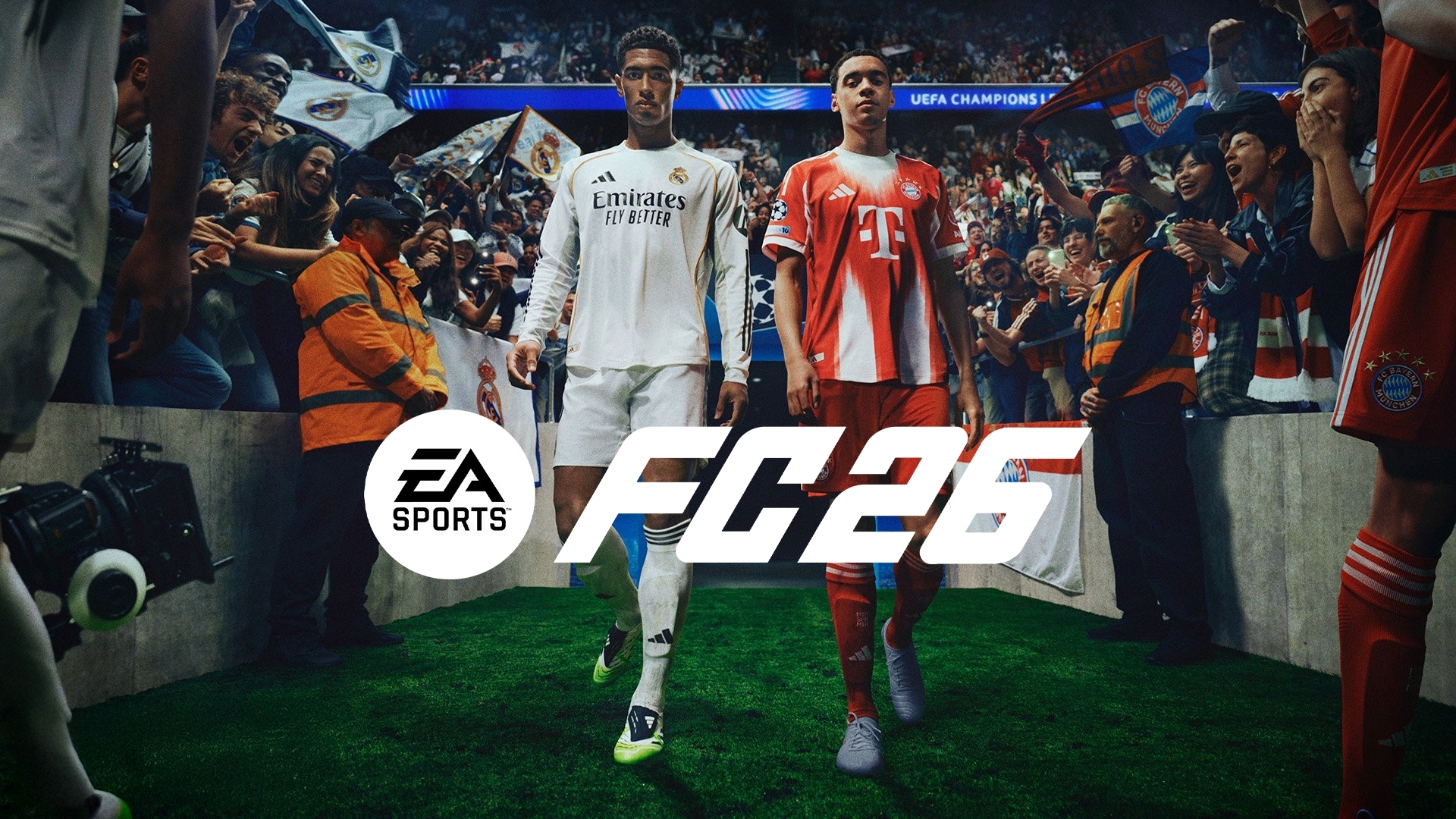
On the other hand, EA Sports FC (formerly FIFA) focuses on a more arcade-style, dynamic, and accessible experience. Its gameplay is often faster-paced, with spectacular actions and easy-to-execute Skill Moves. The Ultimate Team mode, with its team collection and customization features, is a massive economic driver and a cornerstone of its success. While some critics point to a lesser degree of fidelity to the simulation, the game’s speed and spontaneity create a captivating spectacle for the esports audience. The accessibility of EA Sports FC allows a wider range of players to participate, but competitive depth is revealed through mastery of shooting mechanics, defense, and each player’s unique moves. Ultimately, these gameplay differences shape the very nature of the competition and directly influence the playing style of professionals.
The Competitive Ecosystem: Tournaments and Cash Prizes
Beyond gameplay, the tournament structure and the prizes offered are key indicators of a title’s esports dominance. eFootball 2025 has developed its own circuit, notably with the eFootball Championship Pro, which sees real professional football clubs compete with their esports teams. The eFootball Championship Open tournament is also a major event, open to all players. Konami invests in retaining its competitive player base, offering prizes and visibility to the best. Although the circuit is well-established, it often remains smaller compared to its rival.
In contrast, EA Sports FC benefits from a colossal and historically more established esports ecosystem. The FC Pro program, formerly known as the FIFA World Cup, comprises regional leagues, qualifying tournaments, and a world championship with often larger prize pools. EA has partnered with numerous football leagues and clubs, amplifying the appeal and reach of its competitions. The abundance of Third-party tournaments and community events around EA Sports FC also strengthens its global presence. The competitive scene for this title is massive, offering a professional platform for a large number of players aspiring to a career in esports football.
Comparison of Professional Circuits
| Criteria | eFootball 2025 (eFootball Championship) | EA Sports FC (FC Pro) |
|---|---|---|
| Type of Competition | Primarily based on real professional clubs and Open. | Global professional league, regional events, qualification via Ultimate Team. |
| Prize Money | Significant, but generally lower. | Among the highest in sports gaming, attracting top talent. |
| Geographic Reach | International, but with a stronger presence in Asia and Europe. | Global, with a strong presence in all major regions. |
| Number of Pro Players | More selective, focused on the elite. | Larger, offering more opportunities to access the pro scene. |
Community Engagement and Audience
The popularity of a game Esports isn’t measured solely by prize money, but also by community engagement and audience reach. eFootball 2025, while boasting a dedicated fanbase that appreciates its faithfulness to the simulation, faces a challenge in terms of overall visibility. Its tournaments attract a loyal following on platforms like Twitch and YouTube, but viewership figures often fall short of its competitor’s. Content creators within eFootball 2025 are active, offering tactical analysis and gameplay tips that resonate with their niche. However, the free-to-play model, while offering great accessibility, doesn’t always translate into consistent, massive engagement around its competitive scene.
In contrast, EA Sports FC boasts unparalleled community reach and an esports audience. The game attracts millions of players and viewers every year. FC Pro tournaments generate impressive audience spikes, partly thanks to the huge popularity of the Ultimate Team mode, which fuels a massive streaming and content creation ecosystem. Many influencers and streamers are iconic figures in the EA Sports FC community, helping to maintain consistent excitement around the game and its competitions. The EA Sports FC brand has a strong presence on social media, with millions of fans following the latest news about teams, players, and competitions. This visibility and massive engagement are major assets that solidify its dominant position in football esports.
Professional Opinions and the Future
Professional players, true barometers of the esports scene, have varied opinions regarding the two titles. Some pros praise eFootball 2025 for its purity and the need for impeccable technical mastery, believing that the game rewards individual skill and deep tactical knowledge more. They appreciate the absence of certain random elements that can sometimes be frustrating in other games. For these players, the satisfaction of executing a perfect play in eFootball 2025 is unmatched, and they perceive the game as a more authentic challenge.
Other professionals, often those who grew up with the older FIFA series, prefer the dynamics of EA Sports FC. They value the breadth of the competitive ecosystem, greater earning opportunities, and increased visibility on the global stage. The team composition aspects in Ultimate Team bring a different strategic dimension, where managing your roster becomes as important as on-field performance. Professional opinions are therefore divided, reflecting different playing philosophies and career aspirations.
Looking ahead, both franchises continue to evolve. Konami is striving to improve the eFootball 2025 experience with regular updates, in listening to community feedback to refine its gameplay and esports offering. The goal is to continue attracting players looking for an authentic simulation. For EA Sports FC, EA Sports maintains its leadership position by innovating every year, integrating new technologies, and strengthening its partnerships with leagues and clubs. The future of esports football will depend on each publisher’s ability to innovate, listen to its community, and deliver stable and fair competitive experiences. Every game has the potential to grow and solidify its fan base, thus influencing the dynamics of esports dominance.
Conclusion
At the end of this analysis, it is clear that the question of which game truly dominates esports is nuanced. eFootball 2025 impresses with its faithfulness to the simulation, its demanding ball physics, and its potential for a deep skill gap, attracting a community of purists who value technical mastery. Its competitive circuit, while more modest, offers serious opportunities for dedicated players. However, it is EA Sports FC which, thanks to its colossal ecosystem, tournaments with substantial prize pools, and a massive audience, currently holds the lion’s share in terms of global esports dominance. Its accessibility and the popularity of